


A Fendi vintage Baguette is one of the small flap shoulder bags Silvia Venturini Fendi designed in 1997, cut short enough to tuck under the arm the way Parisians carry a loaf of bread. The most collectable examples come from the first wave, roughly 1997 to the mid-2000s, when the house made it in Zucca canvas, plain leather and hundreds of embroidered, beaded and furry variations. Rarity of the version, condition and completeness decide what one is worth.
The Baguette was relaunched in 2019 and is in production again, which makes the vintage market more interesting, not less. Below we walk through each era and the famous versions, explain how to tell them apart, and list the checks we make before recommending a vintage piece to a client.
Why the Baguette changed handbags
Fendi was founded in Rome in 1925 by Adele and Edoardo Fendi, and by the 1990s the founders' five daughters ran the house, with the next generation already working beside them. Silvia Venturini Fendi, a granddaughter of the founders, was responsible for accessories when she drew the Baguette. At a time when handbags were large, structured and practical, she proposed something small, soft and unapologetically decorative: a narrow flap bag on a short strap, closed with a clasp in the shape of the house's double F.
The bag's real innovation was not its shape but its method. Instead of one design in a handful of colours, the Baguette became a canvas for endless variation: every season brought new materials, embroideries and finishes, sometimes in tiny numbers. That turned buyers into collectors long before limited editions were a marketing habit, and it is why the Baguette is often described as one of the first true it bags.
Television sealed it. In a 2000 episode of Sex and the City, Carrie Bradshaw is held up in the street and corrects her mugger, insisting that what he wants is not a bag but a Baguette. The bag in that scene, a purple sequinned version, remains the most recognised Baguette ever made.
Fendi vintage Baguette eras and famous versions
Dates below are approximate, since the house overlapped styles and many seasonal pieces were never formally catalogued. Use them as a guide to what you are looking at, not as a certificate of age.
| Era or version | Approximate years | Typical materials | What to look at first |
|---|---|---|---|
| First Baguettes | 1997 to 1999 | Zucca and Zucchino canvas, smooth leather, early embroidery | Clasp wear, canvas corners, strap edges |
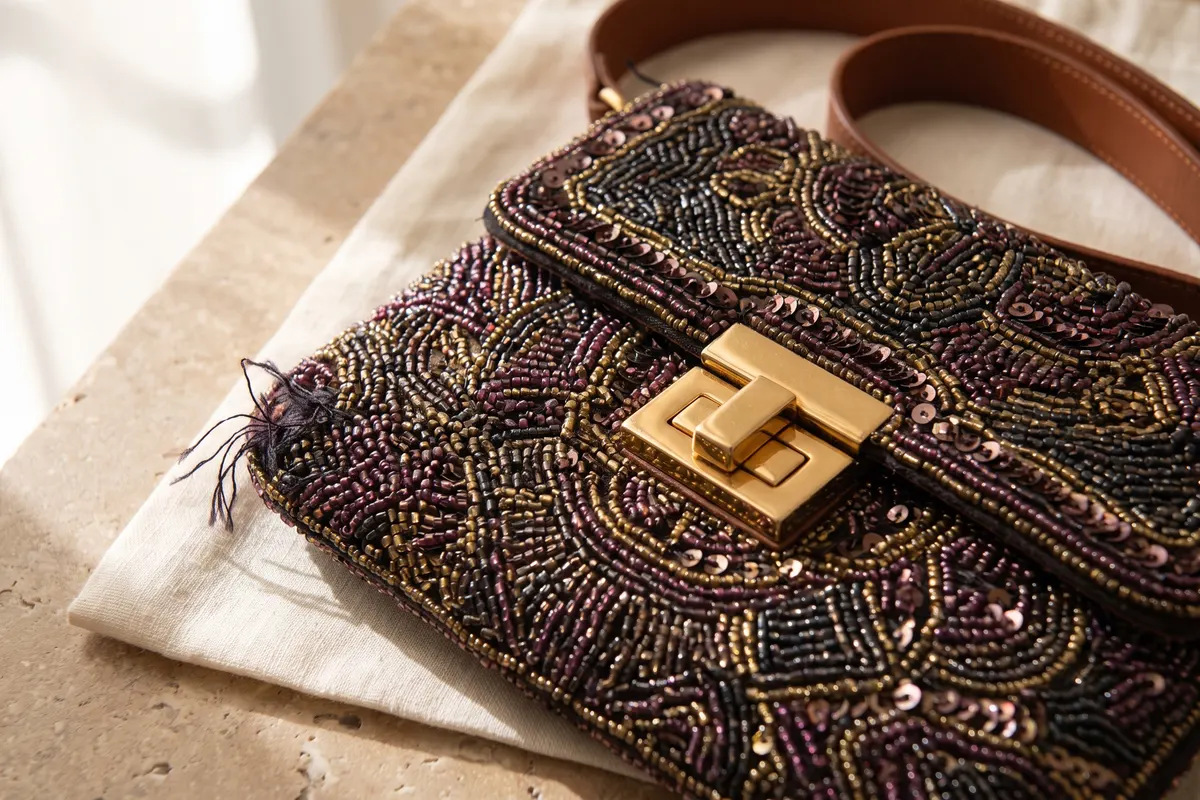
| Embellished Baguettes | around 1999 to 2005 | Beads, sequins, embroidery, fur, ponyhair, denim | Missing beads, loose threads, shedding |
| Zucca and Zucchino canvas | throughout the first wave | Coated or jacquard logo canvas with leather trim | Pattern symmetry, cracking at folds |
| Mamma Baguette | early 2000s | Canvas, leather, embellished finishes | Longer strap attachments, base wear |
| Relaunch and today | 2019 onwards | Leather, canvas, sequins, collaborations | Not vintage yet; useful for comparison |
The first Baguettes, 1997 to 1999
Dimensions: about 25 to 27 cm wide and 13 to 15 cm tall (roughly 10 x 5.5 in), with a slim depth; sizes vary slightly by version. Best for: collectors who want the original proportions.
The earliest pieces are the purest expression of the idea: a soft rectangular body, a full front flap, the FF clasp centred on it, and a short shoulder strap that sits the bag snugly under the arm. Leathers were often smooth and brightly coloured, and the canvas versions used the house's Zucca pattern. The strap is shorter than most modern shoulder straps, which is the point; it is not meant to hang at the hip.
The embellished Baguettes, around 1999 to 2005
Best for: collectors who love craft and want a piece with a story.
This is the era that made the Baguette famous: hand beading, sequins, embroidery, fur and ponyhair, denim, and novelty finishes that changed every season. Some were made in very small quantities. These are the most exciting vintage Baguettes to find and the most demanding to buy, because condition varies enormously. A beaded flap with a few missing beads is common; a large bald patch is a restoration project that needs a specialist.
The Sex and the City Baguette
Best for: pop culture collectors.
The purple sequinned Baguette carried by Carrie Bradshaw is the single most sought-after look. Expect intense interest in any sequinned Baguette in a similar shade, and be careful with descriptions: plenty of sequinned Baguettes exist, and only provenance, not resemblance, connects a bag to the show.
Zucca and Zucchino canvas Baguettes
Best for: a first vintage Baguette you can actually wear often.
The house's logo canvas comes in two scales. Zucca, Italian for pumpkin, is the larger interlocking FF pattern; Zucchino is the smaller, finer version. Canvas Baguettes are the most common vintage examples and the most practical, since the canvas tolerates daily wear better than beads or fur. On a well-made piece the pattern runs straight and symmetrical across the flap, and the leather trims are neatly finished at the edges.
The Mamma Baguette
Best for: those who want the Baguette look with a little more room.
The Mamma Baguette is the slightly larger, softer sibling, usually with a longer strap, so it sits a little lower under the arm. It is often confused with the standard size in listings, so always ask for measurements rather than relying on the name.
The 2019 relaunch and today's Baguette
Best for: understanding what vintage is not.
Fendi brought the Baguette back to the centre of its collections in 2019, with new sizes from a tiny Nano to larger versions, re-editions of the original, and later collaborations and a 25th anniversary celebration in 2022. Many current versions come with a detachable strap and sometimes a second, longer one. They are lovely bags, but they are not vintage. Knowing the modern details, the updated clasp, the hardware finishes and the strap options, helps you spot a newer bag described as an older one.
When is a Fendi Baguette vintage?
Most collectors use vintage for pieces at least twenty years old, which today means Baguettes from the first wave up to the mid-2000s. Anything from the relaunch onwards is pre-owned, not vintage, however it is described. When you search listings for Baguette Fendi vintage pieces, you will see both used freely, so read the details and the photographs rather than the label.
How to check a vintage Fendi Baguette before you buy
A twenty-five-year-old bag will show its age. The question is whether that age is honest and stable. These are the points we examine first:
- The FF clasp. It should feel solid, with crisp, even edges on both letters and a closure that holds the flap securely. Worn plating on the clasp is common and acceptable; a loose or bent clasp needs attention.
- Canvas and leather edges. Look at the corners of the flap and the base for rubbing, and at the folds of canvas for cracking.
- The strap. The short strap takes all the strain. Check where it joins the body, the stitching at those points, and the edge paint along its length.
- Embellishment. Count missing beads or sequins, look for loose threads at the back of embroidery, and check fur for shedding or dry patches. If a piece includes fur, check the rules for importing it where you live.
- The interior. Fendi bags carry interior markings and, depending on the period, a label with a production number. These help place a bag, but they can be copied, so treat them as one clue among many and never as proof on their own.
- Smell and lining. Mustiness, stains and sticky linings are easier to see in person; ask for close photographs of the inside.
Our step-by-step guide on how to buy a pre-owned designer bag covers the questions to ask any seller, and our sourcing and authenticity page explains how we inspect each piece we list.
Is a Fendi vintage Baguette bag a good investment?
It is better seen as a collector's piece you enjoy than as a financial plan. Rare embellished versions and anything tied to the bag's cultural moment attract the strongest interest; canvas Baguettes are more plentiful and more accessible. Condition is decisive in both cases. Our article on which designer bags actually hold their value sets out the factors that matter, and the same logic applies here: buy the best example of the version you love, not the cheapest example of the version you think will rise.
For care, store the bag flat and lightly stuffed with acid-free paper, keep embellished pieces away from other bags that could snag them, and never hang it by its short strap for long periods.
Fendi pieces from the same spirit in our boutique
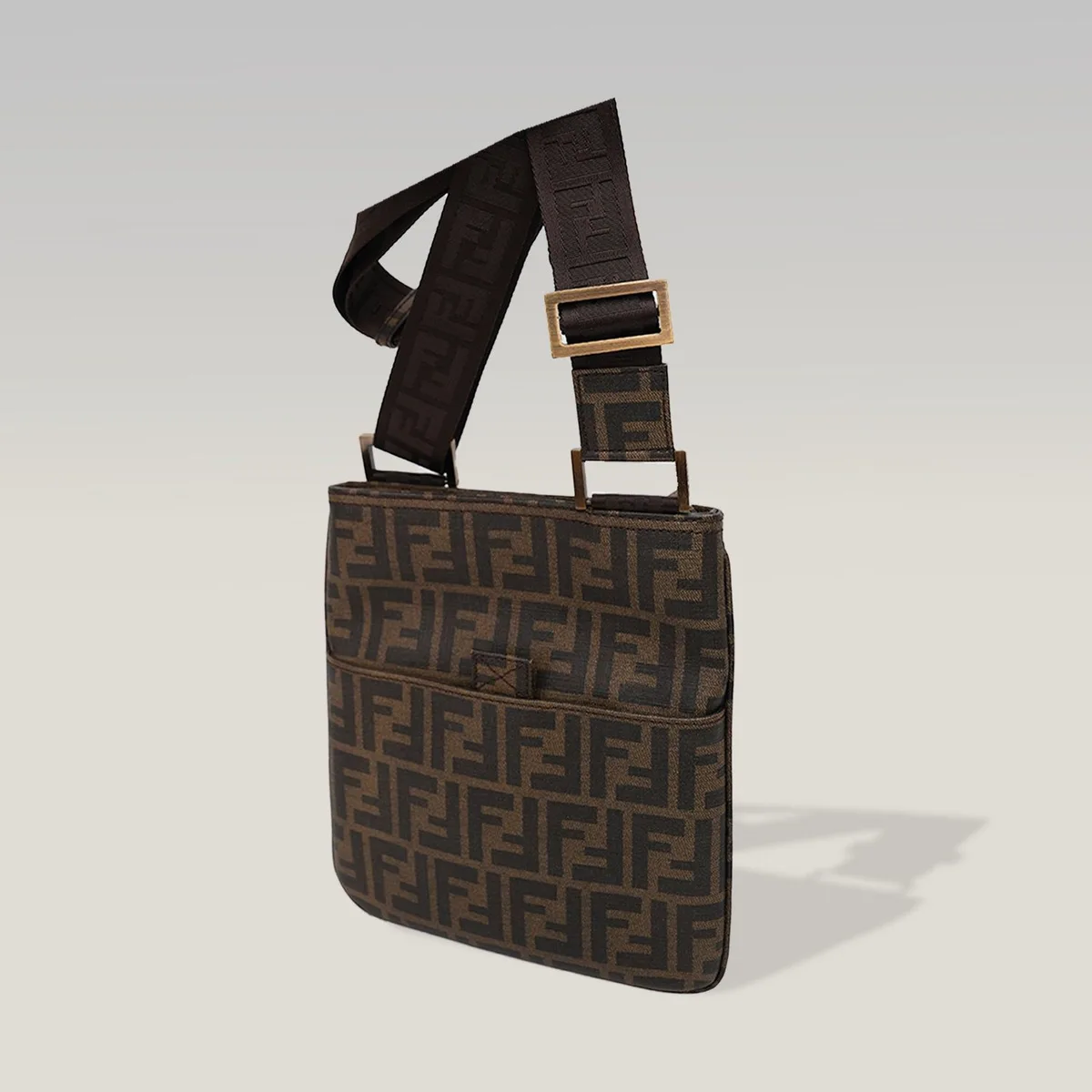
We do not have a Baguette in stock at the moment. If you love the house's vintage canvas, though, several pre-owned pieces share its character. The Fendi Zucca FF Shoulder Bag in classic brown canvas carries the same large-scale pattern as the early canvas Baguettes, and the FF Monogram Shoulder Bag in brown canvas with leather trim is another relaxed everyday option. For more room, the vintage Fendi Zucchino Boston Bag in beige canvas shows the finer Zucchino pattern, and the sky blue leather shoulder bag with embossed FF logo brings the monogram into leather.
Collectors drawn to the Baguette usually enjoy other house classics with a past. Our collector's guide to vintage Louis Vuitton bags and our history of the Gucci Jackie 1961, another shoulder bag revived after years out of the spotlight, are good places to continue.
Shop the look
- Fendi Zucca FF Shoulder Bag in Classic Brown Canvas
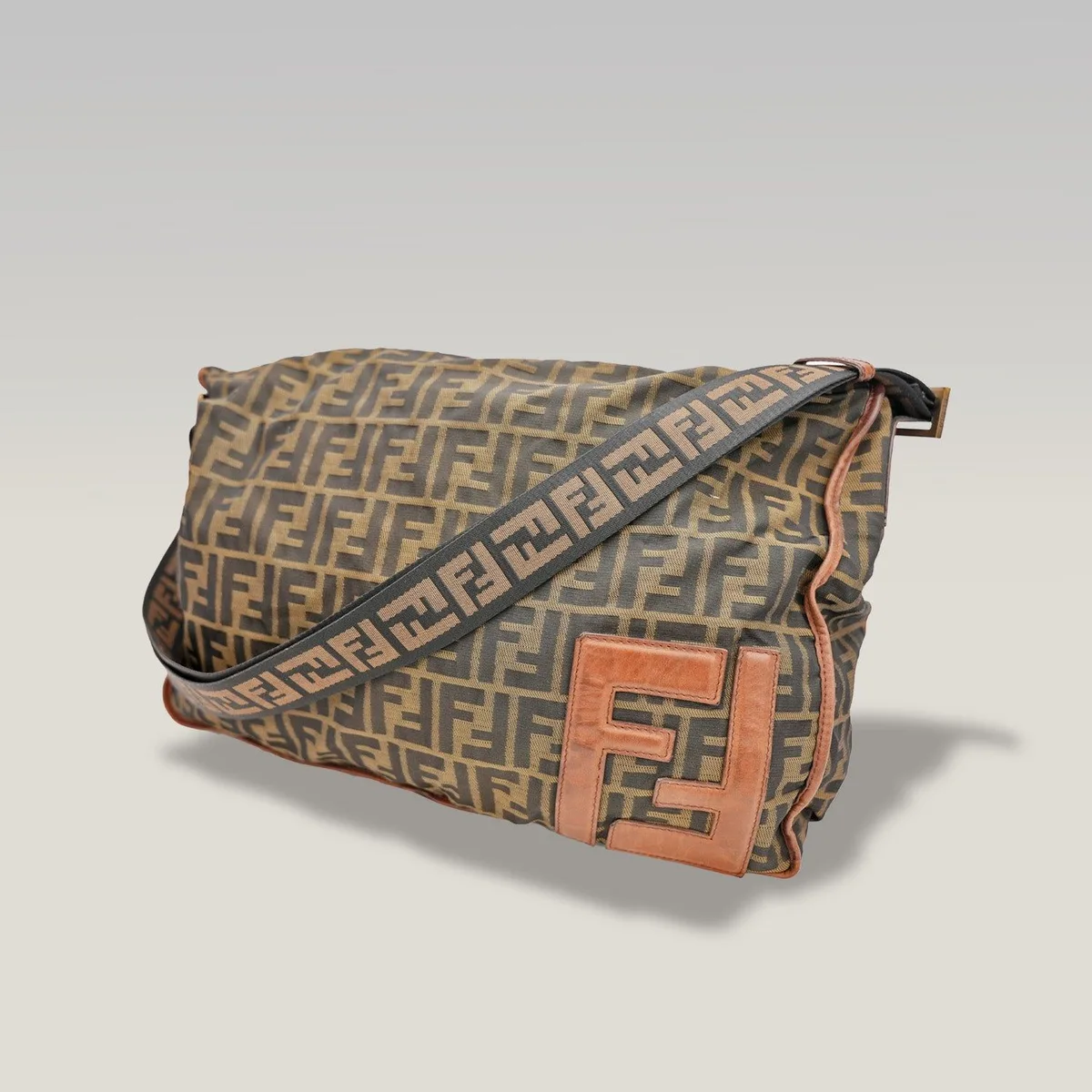 Fendi FF Monogram Shoulder Bag in Brown Canvas with Leather Trim
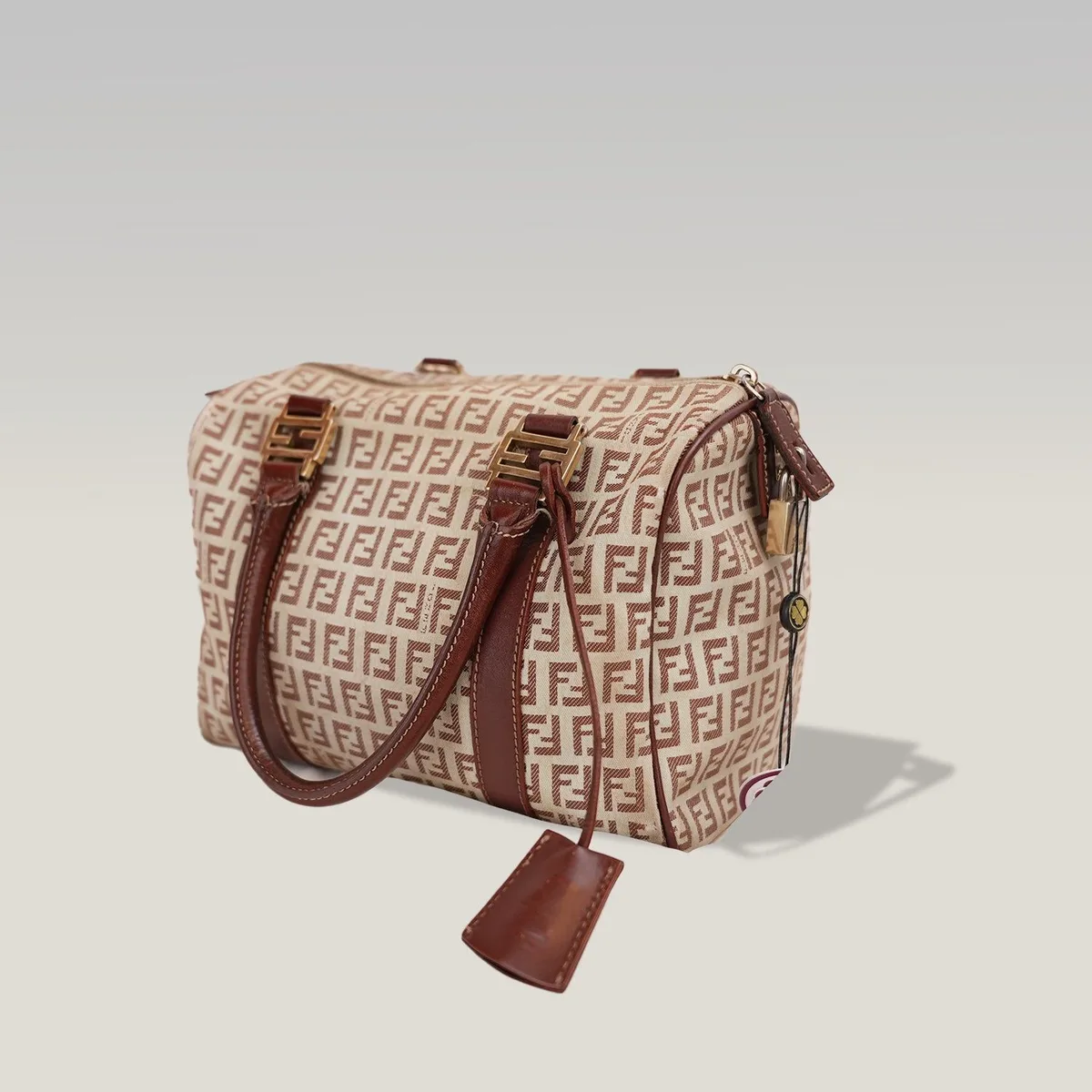 Fendi Vintage Zucchino Boston Bag in Beige FF Canvas with Brown Leather
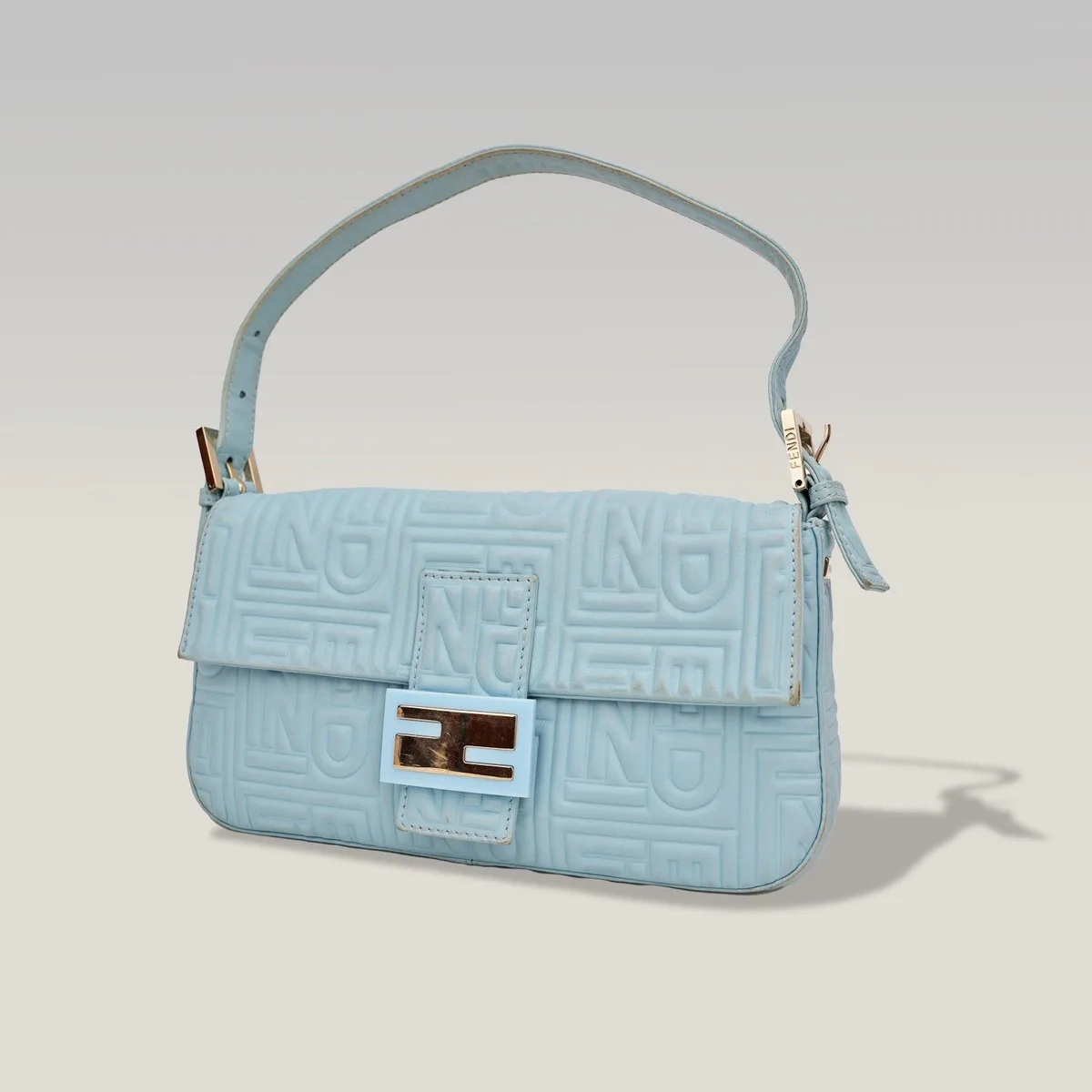 Fendi Sky Blue Leather Shoulder Bag with Embossed FF Logo
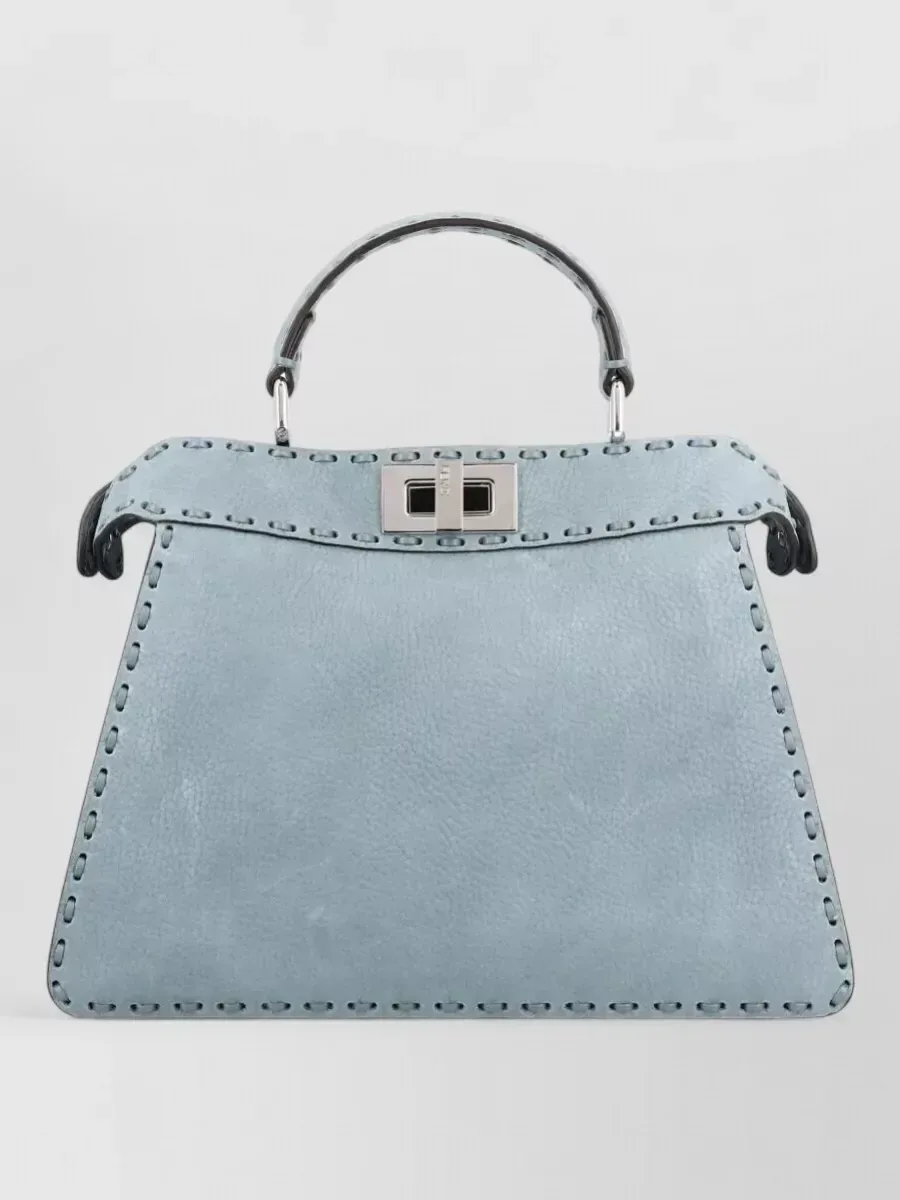 Fendi Peekaboo Small Bag in Blue Calf Leather
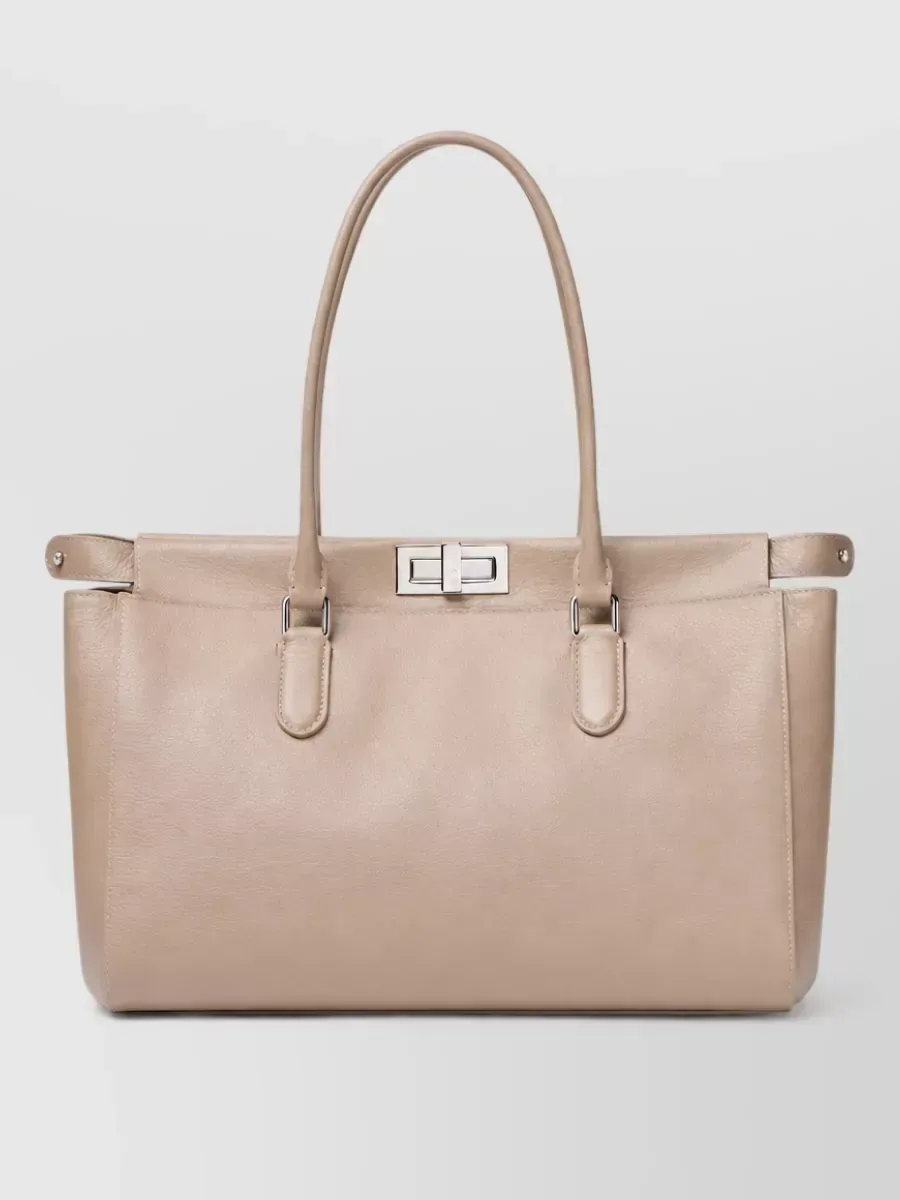 Fendi Peekaboo Small Tote in Calf Leather
Frequently asked questions
When did the Fendi Baguette first come out?
Silvia Venturini Fendi designed the Baguette in 1997. It became a phenomenon over the next few years, helped by its appearance in Sex and the City in 2000, and it was relaunched by the house in 2019.
Why is it called the Baguette?
Because it was designed to be carried tucked under the arm, the way you carry a French loaf. The short strap is deliberate and part of the bag's character.
What is the difference between Zucca and Zucchino?
Both are Fendi's interlocking FF logo canvas. Zucca has the larger pattern and Zucchino the smaller, finer one. Each was used on vintage Baguettes.
How can I tell how old my Baguette is?
Look at the overall construction, the clasp, the strap length and the interior markings, and compare them with known examples from each period. Production labels help, but they are not proof on their own, so an expert inspection is the most reliable route.
Is a vintage Baguette practical to wear?
Yes, within reason. It holds a phone, cards, keys and a lipstick. Canvas and leather versions handle regular use well; beaded, sequinned and fur versions are best kept for occasions.
While you wait for the right Fendi vintage Baguette to surface, explore our Fendi shoulder bags and the wider vintage and pre-owned collection, where new pieces from the house arrive regularly.


