


The safest way to buy second hand designer bags is to choose the exact model, size and leather first, then judge each piece on four things: wear at the stress points, the house's own construction details, the seller's descriptions and policies, and a price that makes sense for the bag's age and condition. Codes, cards and boxes help you date a bag, but none of them proves anything on its own.
That is the short version. Below is the longer one: how our team looks at a pre-owned piece before it reaches the site, written so you can use the same eye wherever you shop.
Why buy second hand designer bags at all
The first reason is access. A Hermès Birkin or Kelly in a particular leather and colour, or a Chanel flap in a size no longer made, is not something you can simply walk into a boutique and buy. The second is choice across time: houses retire colours, hardware finishes and whole models, and second hand luxury bags are the only route back to them.
The third is value, which deserves honesty. Some pieces cost noticeably less pre-owned than new. Others, particularly sought-after Hermès and certain Chanel classics, can change hands at or above their original boutique price. Buying pre-owned is buying on an open market, where condition, rarity and desirability set the number.
Start with the bag, not the listing
The most common mistake is falling for a photograph before deciding what you actually need. Before you browse, answer four questions.
- How will you carry it? Top handle only, shoulder, crossbody, or all three.
- What must it hold? Lay out what you really carry, phone included, and measure the footprint. A Kelly 25 and a Birkin 30 are worlds apart in capacity.
- How careful will you be? Lambskin and pale colours reward careful owners. Caviar, Epsom and coated canvas forgive the rest of us.
- What is your ceiling? Set it including delivery, any import charges that apply where you live, and any professional cleaning you may want afterwards.
Once you know the model, size and material, you can compare like with like, which is the only way prices start to make sense.
How condition grades really work
Every reseller uses a grading scale, and no two scales are identical. Treat the grade as a summary and the photographs as the evidence. In broad terms:
| Grade | What it usually means | What to check in the photos |
|---|---|---|
| New or unworn | Never carried. Hermès pieces may still have protective film on the hardware. | Film on hardware, crisp corners, no creasing at the handle bases. |
| Excellent | Carried a handful of times, with light marks visible only up close. | Hairline scratches on hardware, slight relaxing of the leather. |
| Very good | Regular, careful use. Light corner wear or gentle patina. | Corners, handle edges, the base and the interior. |
| Good | Visible use: corner rubbing, darkened handles, scratched hardware. | Whether wear is cosmetic or structural, any odour, interior marks. |
| Fair | Heavy wear or repairs, sold with the issues disclosed. | Cracks, re-dyed areas, replaced parts, smells, loose stitching. |
The distinction that matters most is cosmetic against structural. Fine scratches on a turn-lock or a darkened handle are character. Cracked canvas at a handle anchor, a split edge or a torn lining are repairs waiting to happen, and good repairs are neither quick nor cheap.
Where wear hides, material by material
Every leather ages in its own way, and knowing the pattern tells you where to look first.
Lambskin
Soft, light and beautiful, and the first to show life. Check the corners of the flap and the base for rubbing, the quilting for flattening, and the back panel, which rubs against clothing, for shine or scuffs. A well-loved lambskin flap will look softer and slightly slouched, which is normal. Scuffs through the colour are not.
Caviar and Epsom
Both are grained, pressed leathers that hold their shape and shrug off scratches, which is why they are favourites with pre-owned buyers. On caviar, look at the corners, where the grain can wear smooth. On Epsom, look at the edges, where the painted edge finish can chip. Our pre-owned Chanel Classic Medium Double Flap in black caviar leather is a good example of why caviar is so often the sensible choice for a flap you plan to carry every week.
Exotic skins
Crocodile and alligator need moisture. Look for dryness, pale lines between the scales and lifting at the edges. Confirm too that the seller can supply the paperwork your country requires for exotic skins: rules differ between the US, Canada, the UK, the European Union and the Gulf.
Coated canvas and vachetta
Louis Vuitton's coated canvas is tough, but it can crack where it folds again and again, typically at the handle anchors and the top corners. The untreated vachetta trim darkens from pale beige to honey with handling and light. An even patina is attractive; dark water spots and blackened edges are usually permanent. Anyone shopping for second hand Louis Vuitton bags should read our collector's guide to vintage Louis Vuitton bags and the classic shapes, which covers what to accept and what to walk away from.
Hardware
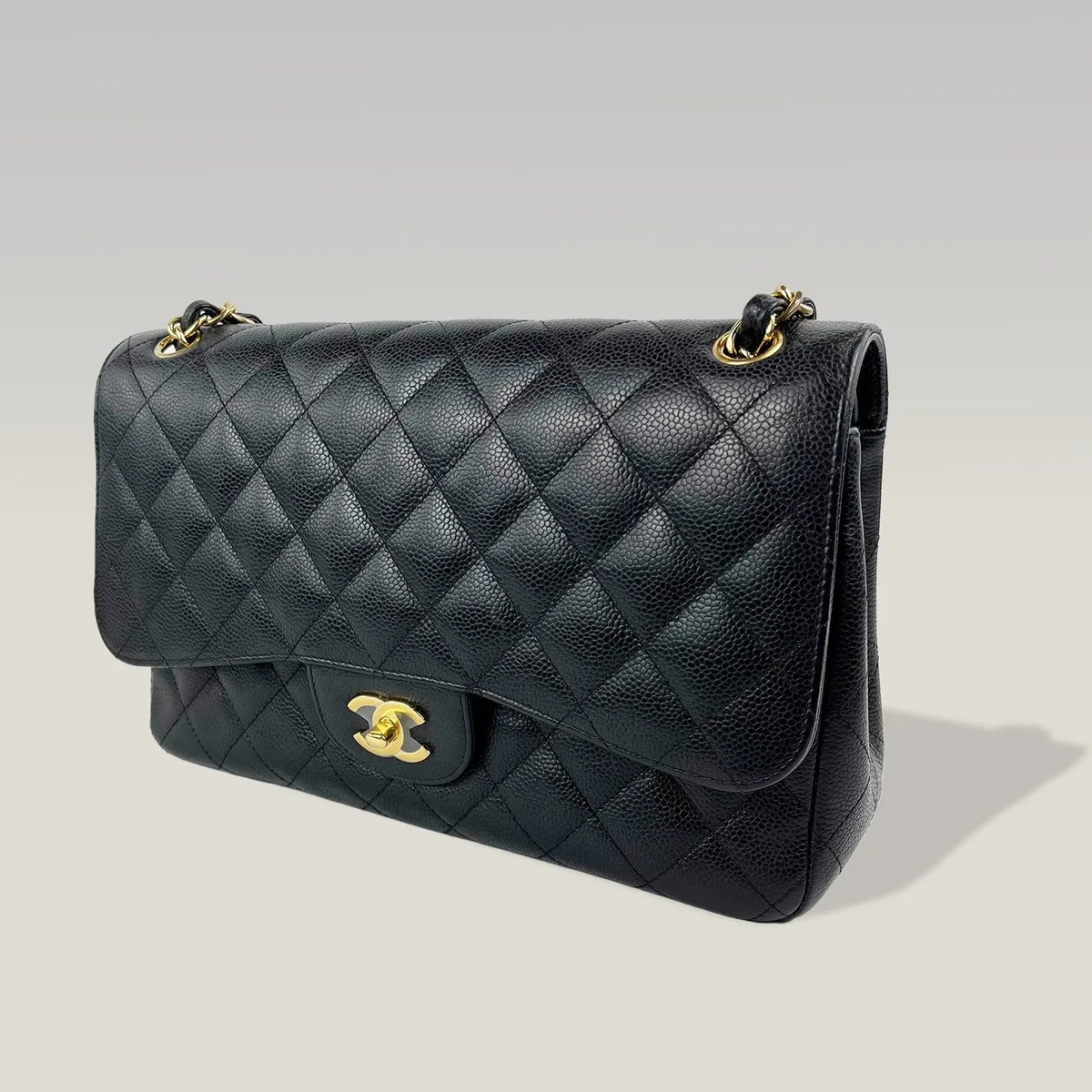
Plated hardware scratches with use, and older plating can rub through to a paler base metal on the high points. On chain straps, look at the links that rest on the shoulder.
Codes, stamps and cards: what they tell you, and what they do not
Most houses mark their bags with some form of production code, and learning to read them is useful because they help you check that a listing's era and details hang together. The essential caveat: codes can be copied. A plausible code on a poorly made bag means nothing.
- Louis Vuitton stamped date codes from the early 1980s until microchips took over around 2021. A code gives a workshop and a period, not a unique bag. Our guide to Louis Vuitton date codes by era walks through every format.
- Hermès uses a blind stamp: a letter, in some years framed by a shape, that indicates the year, alongside workshop and craftsman marks. See the Hermès date stamp year chart.
- Chanel used numbered stickers with matching cards for decades, then moved to embedded microchips around 2021. For second hand Chanel handbags, our explainer on Chanel serial numbers, stickers and cards sets out the number series by period.
- Gucci prints a style code and a supplier code on a leather tag inside most bags. Read more in how to read a Gucci serial number.
Use codes the way a specialist does: as one line of a cross-check. Does the period suggested by the code fit the hardware, the lining, the heat stamp and the way that model was made in that era? If one thing is out of place, ask why.
Details a specialist checks first
Beyond codes, every house leaves fingerprints in its construction. These are some of the things experienced buyers look at before anything else.
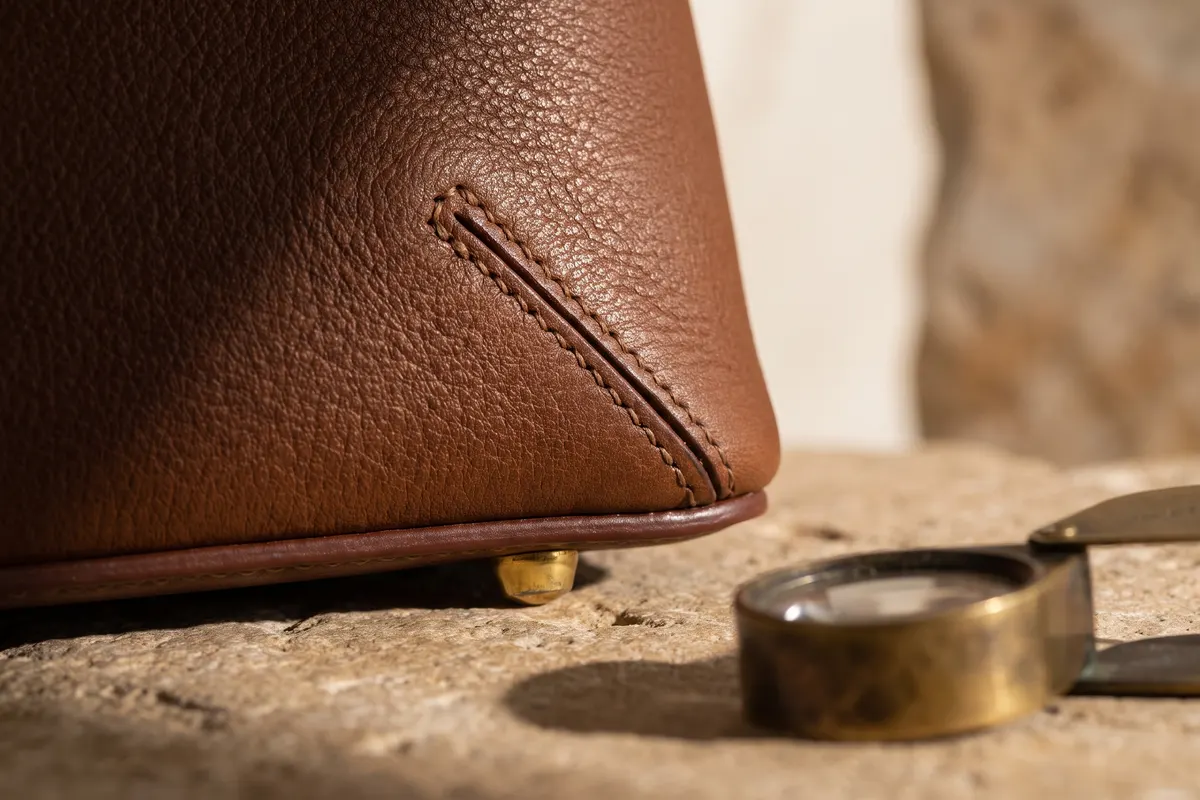
- Stitching. Hermès saddle stitching is sewn by hand and sits at a slight, even slant. Chanel quilting stitches are small and dense, and on a well-made flap the diamond pattern lines up across the back pocket and the flap.
- Heat stamps. Letters should be crisp, evenly spaced and pressed to a consistent depth. Blurred or chunky lettering is a reason to look closer.
- Edges. Edge paint should be smooth and even, never lumpy, cracked through or spilling onto the leather.
- Weight and smell. Good leather has a particular weight and scent. A chemical or plastic smell, or a bag that feels oddly light for its size, deserves questions.
- Construction choices. A Sellier Kelly, like our pre-owned Hermès Kelly 25 Sellier in smoke grey and blue Epsom, is stitched with the seams outside for sharp edges; a Retourne is sewn inside out and turned, for a softer outline. Photos that contradict the construction a listing names suggest it was written carelessly.
We go deeper into the tells that copies still get wrong in the authentication checks counterfeiters still fail.
Questions to ask before you pay
A good seller of pre-owned designer bags will welcome these questions, and the answers tell you as much about the seller as about the bag.
- Can I see close-ups of all four base corners, both handle bases, the interior and every piece of hardware?
- Are there any odours, such as smoke, perfume or mustiness? Smells are very hard to remove from leather and linings.
- Has the bag been repaired, re-dyed, re-edged or professionally refreshed? Restoration is not a problem in itself, but it should be disclosed.
- What is included: dust bag, box, card, receipt, lock and keys, clochette, strap, rain cover? Accessories add completeness and value, not proof.
- What happens if the bag does not match its description on arrival? Read the returns policy before you buy, not after.
- How will it be shipped, is it insured, and who pays any import duties or taxes?
Import rules and charges differ between the US, Canada, the UK, Europe and the Gulf. Our sourcing and authenticity page explains how we source and inspect each piece before it is listed.
Pricing second hand designer bags sensibly
On the pre-owned market, price is set by five things, roughly in this order: model and size, material and colour, condition, completeness, and era. Two Birkin 30s in Epsom with palladium hardware can sit far apart simply because one is unworn with its full set and the other has been carried daily for years.
- Compare like with like. Same model, size, leather and hardware. A Jumbo is not a Medium, and lambskin is not caviar.
- Price the wear. Corner wear on a structured bag is costly to restore well. A gentle slouch in a soft leather is not a defect.
- Be wary of the outlier. A price far below every comparable listing usually has a reason, and it is rarely good luck.
Hermès and Chanel: the two houses buyers ask about most
Buying a pre-owned Hermès Birkin or Kelly
Best for: buyers who want a structured top-handle bag that rewards decades of use. Size, leather and hardware drive almost everything. Epsom keeps a crisp shape and resists scratches; Togo is softer and more pebbled, and its handles darken first. A colour such as Bleu Jean, as on our pre-owned Hermès Birkin 30 in Bleu Jean Epsom with palladium hardware, has long been a favourite because it wears like a neutral. Check the shape of the handles, the four base studs, the corners and the lock, keys and clochette, and read the blind stamp alongside the hardware and construction details.
Buying a pre-owned Chanel Classic Flap
Best for: buyers who want one bag that moves from day to evening on a chain. Know the size names, Small, Medium, Jumbo and Maxi, and note that many older Jumbos have a single flap rather than the double flap of later production. Check the quilting stitches, the alignment of the CC turn-lock, the woven leather where the chain threads through the eyelets, and the corners of the flap. Older pieces may carry 24k gold-plated hardware, which has a deeper, warmer tone that many buyers prefer.
Common mistakes we see
- Buying on the strength of a code, card or receipt alone.
- Ignoring the interior because the outside photographs are lovely.
- Choosing pale lambskin for daily use, then meeting colour transfer from denim.
- Assuming a restored bag is a lesser bag. Skilled, disclosed restoration can be excellent.
Shop the look
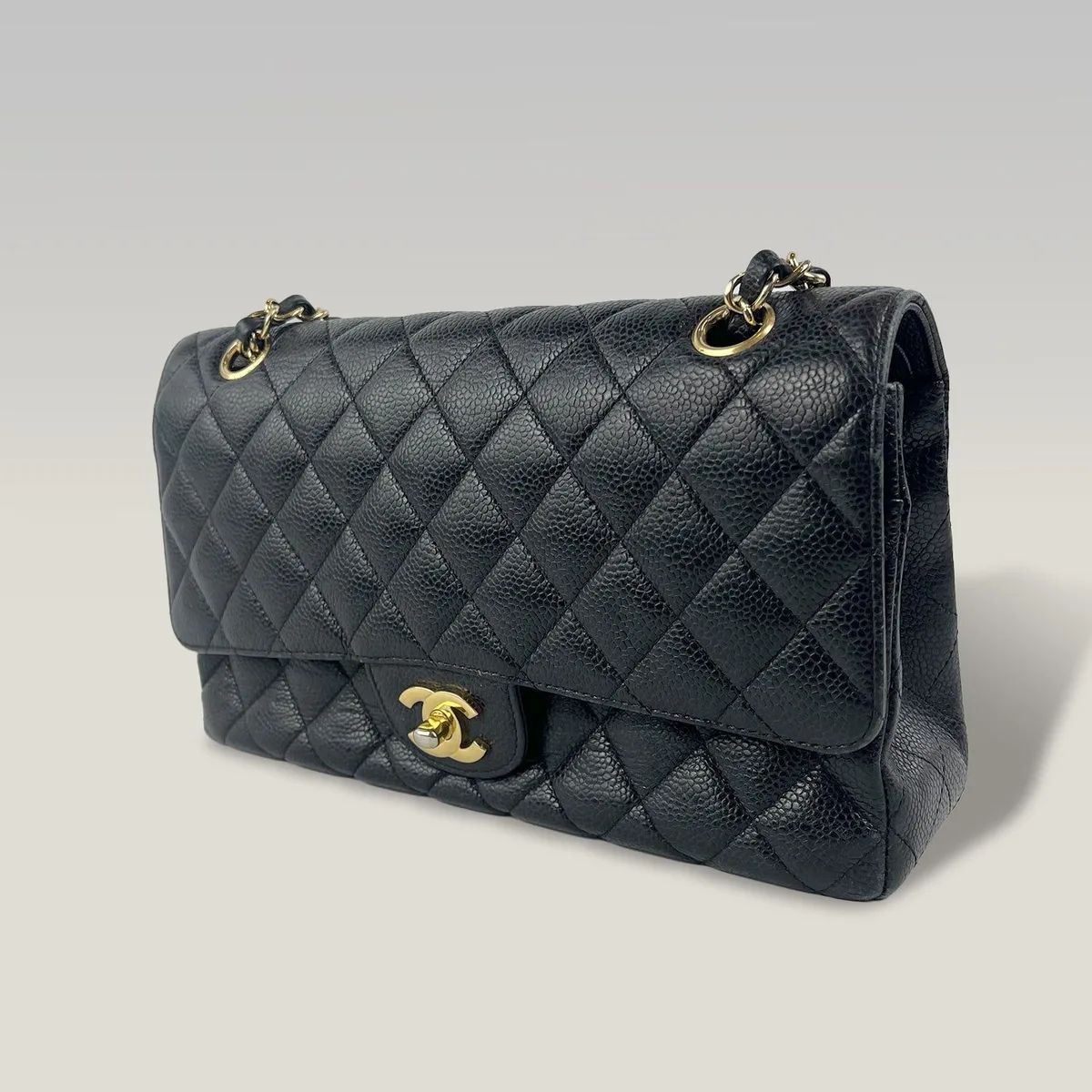 Chanel Classic Medium Double Flap in Black Caviar Leather with Gold-Tone Hardware
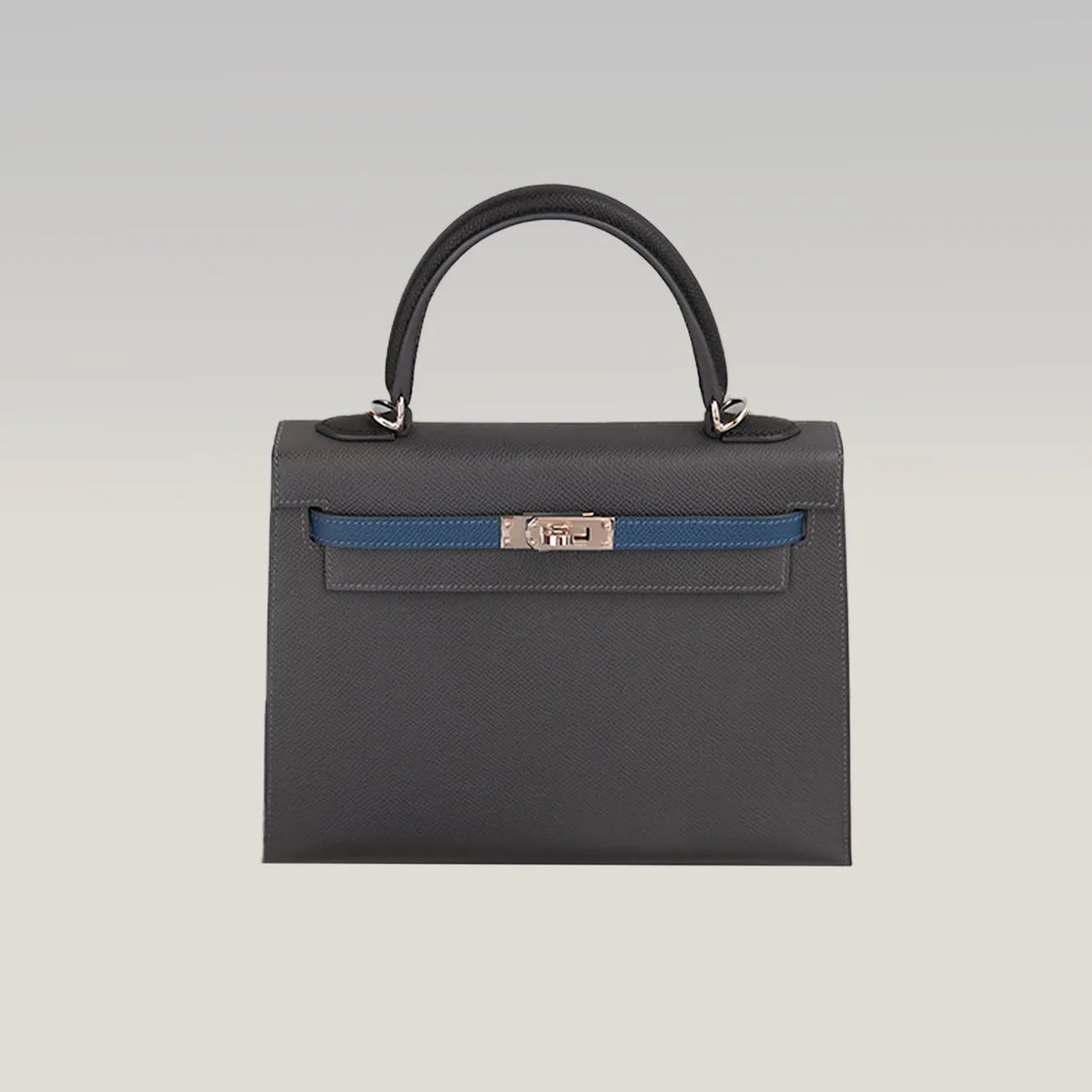 Hermès Kelly 25 Sellier in Smoke Grey and Blue Epsom Leather with Palladium Hardware
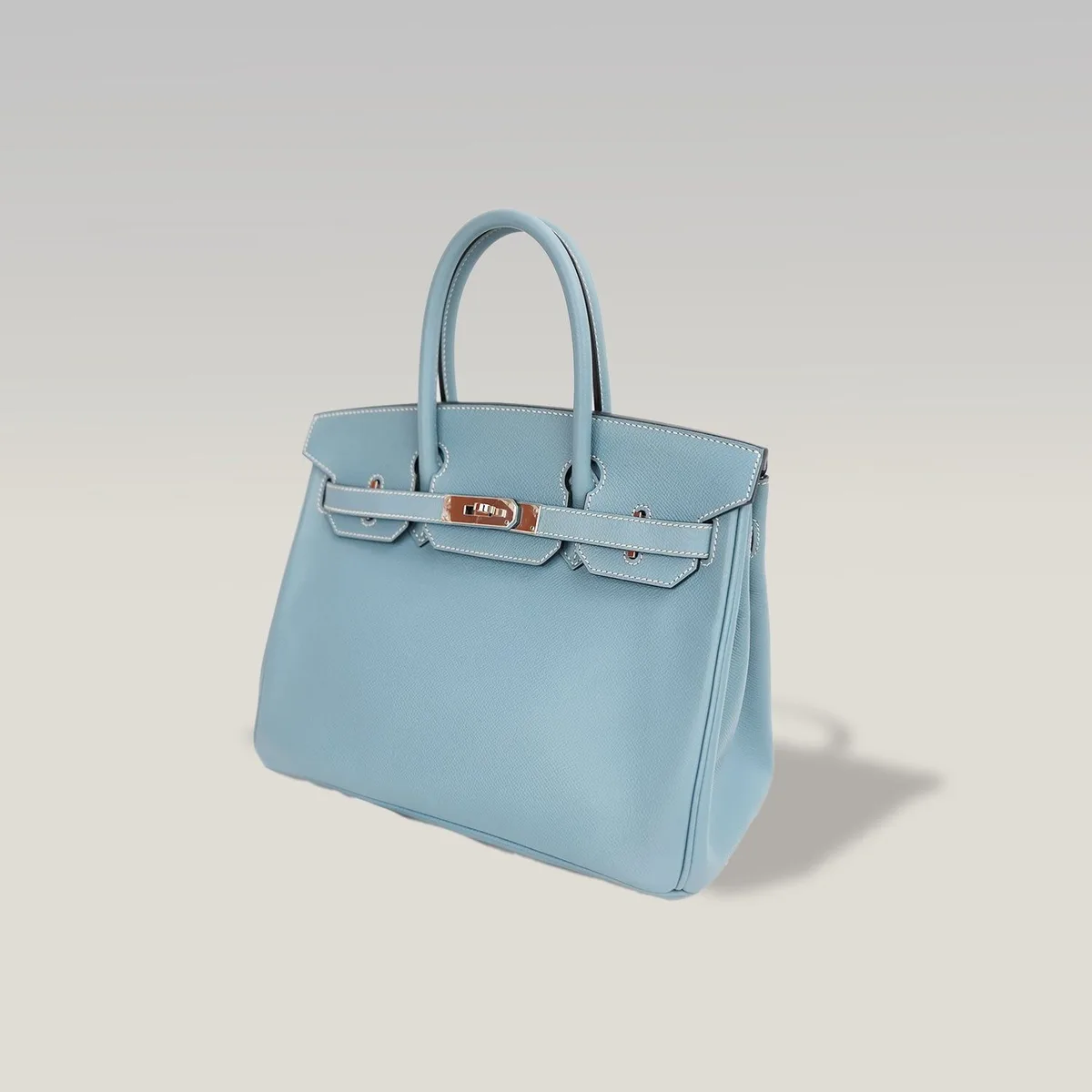 Hermès Birkin 30 in Bleu Jean Epsom Leather with Palladium Hardware
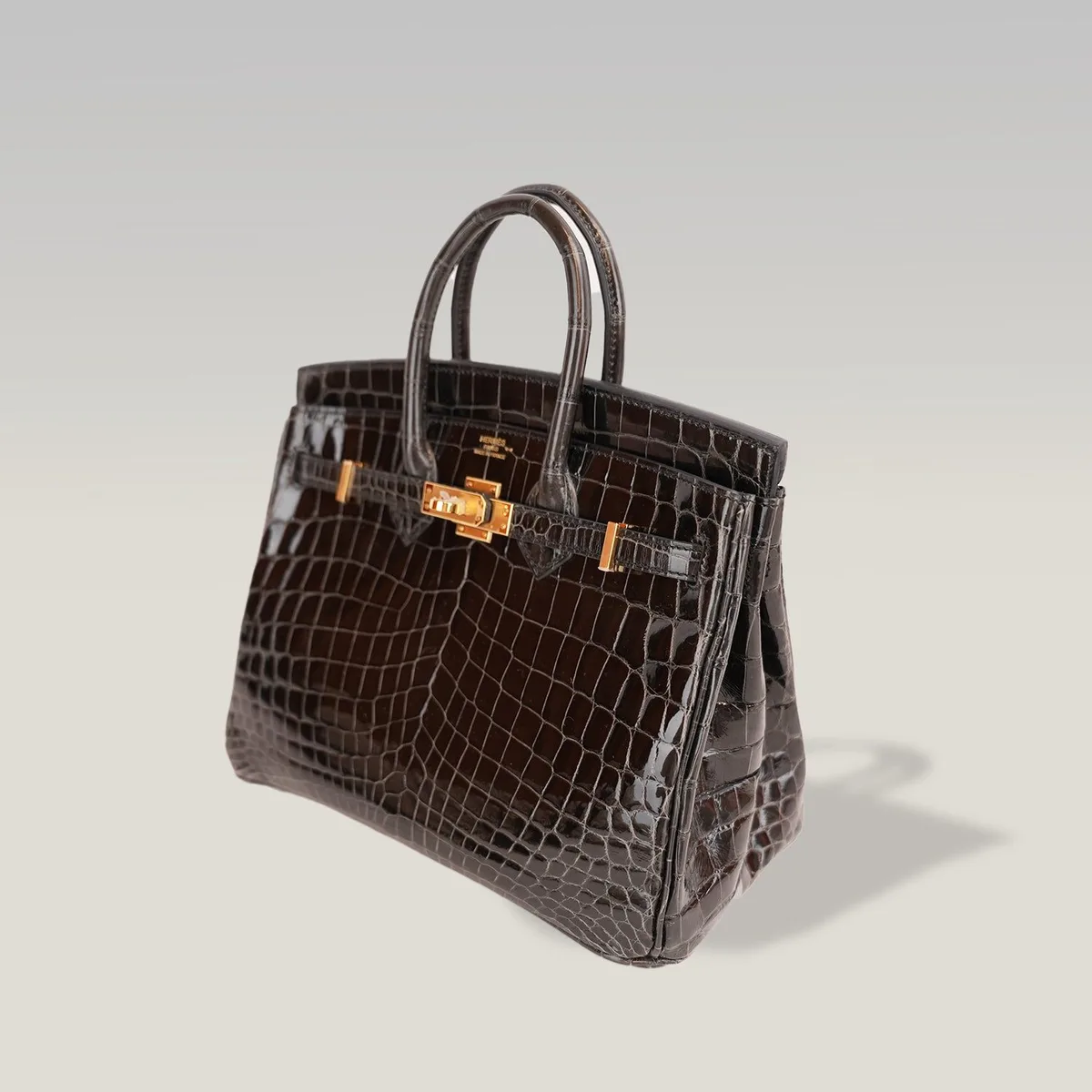 Hermès Birkin 25 Vintage in Graphite Grey Shiny Crocodile with Gold Hardware
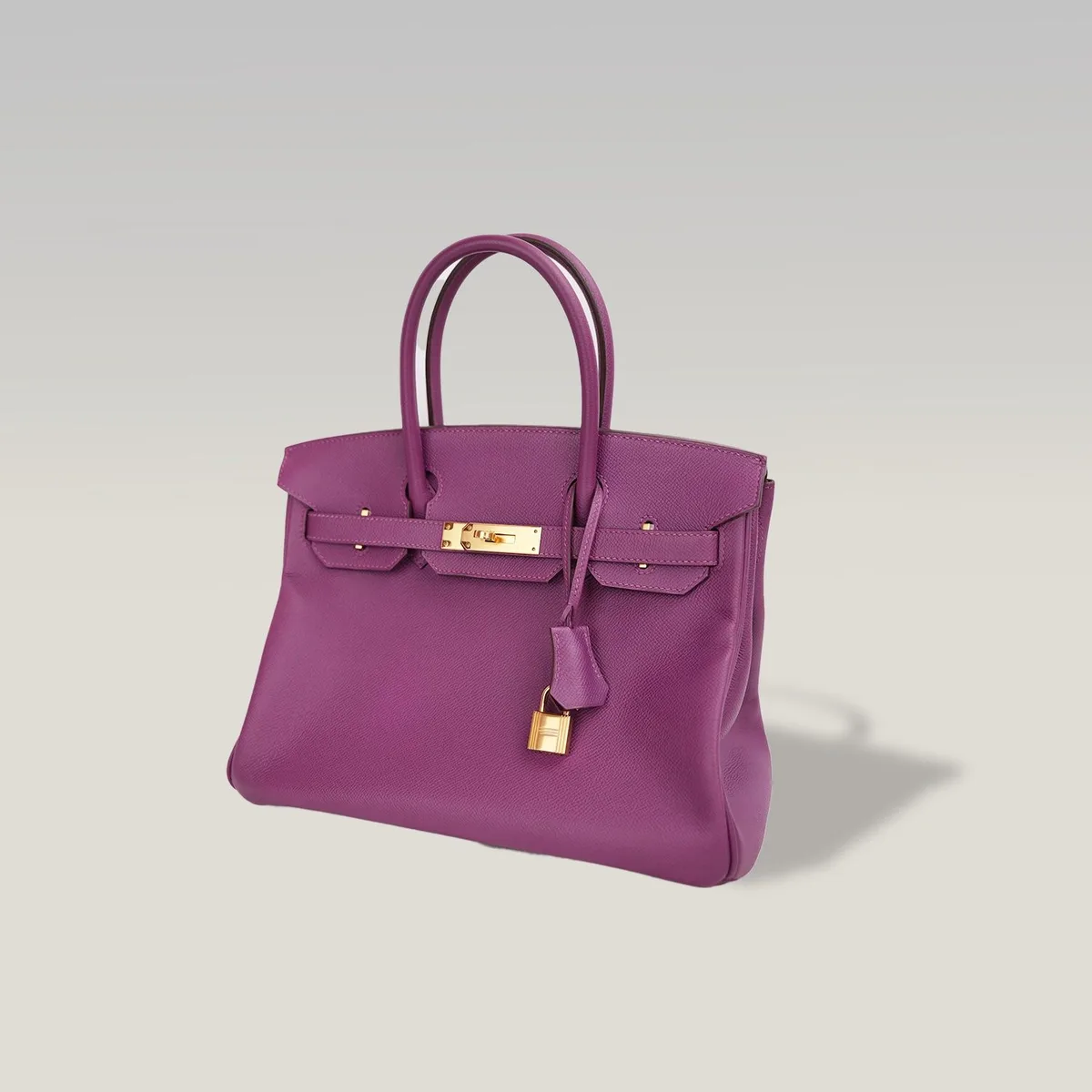 Hermès Birkin 30 in Anemone Epsom Leather with Gold Hardware
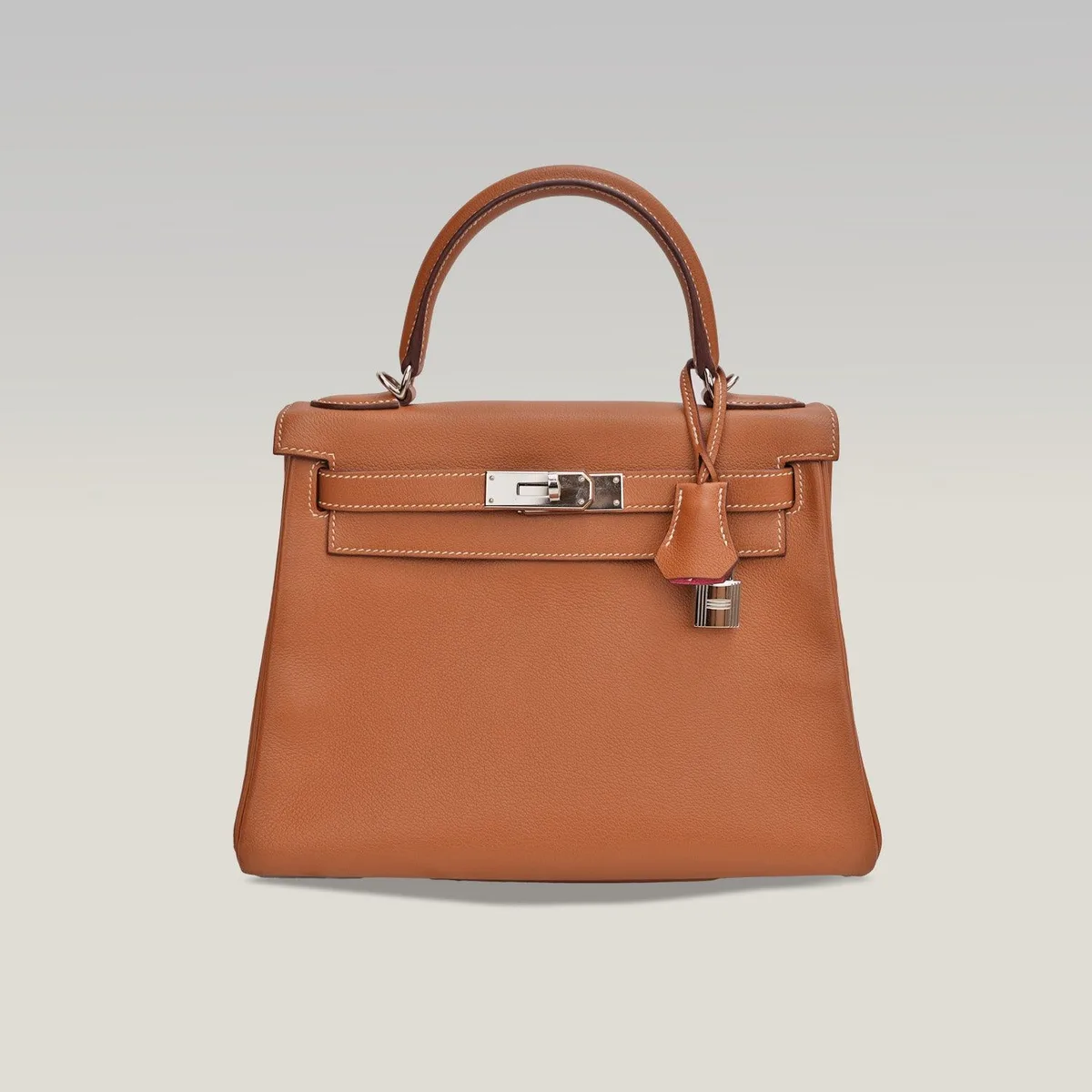 Hermès Kelly 28 in Gold Leather with Silver-Tone Hardware
Frequently asked questions
Is it safe to buy second hand designer bags online?
It can be, if the seller inspects each piece, shows detailed photographs, describes condition honestly and offers a clear returns policy. Never rely on a code, card or receipt as your only reassurance.
What is the difference between vintage and pre-owned?
Pre-owned simply means the bag has had a previous owner, and it can be close to new. Vintage usually describes pieces made around 20 years ago or more, although sellers use the word loosely.
Do second hand luxury bags hold their value?
Some do. Long-running classics in neutral colours from houses that tightly control supply tend to resell well; seasonal pieces usually resell for less than they cost new.
Which second hand Louis Vuitton bags are the best buys?
Coated canvas classics such as the Speedy, Neverfull, Alma and Pochette Métis are durable and easy to find in good condition. Check the vachetta trim, the canvas at the handle anchors, and whether the date code or chip era fits the model's production history.
Does a Chanel card prove a bag is real?
No. Cards and stickers can be replicated or moved between bags. They help date a bag, but an expert judges the construction, materials and workmanship.
What should come with a pre-owned Birkin or Kelly?
Ideally the dust bag, box, lock, keys, clochette and rain cover, and for a Kelly usually a shoulder strap. Many excellent bags circulate without their full set; it affects the price more than the desirability.
When you are ready, browse our vintage and pre-owned edit or go straight to the Hermès collection, where every listing carries its condition notes and detailed photographs.


